

“Style is a way to say who you are without having to speak,” Rachel Zoe once said, and in the rental market, your property speaks before you ever do. Long before a tenant asks about rent or lease terms, they judge your space by how it looks and feels.
If you want fewer vacancies, stronger applications, and tenants who respect your investment, interior design is not cosmetic. It is strategic.
This guide shows you how interior design tips for attracting high-quality tenants help you stand out, lease faster, and protect long-term value.
Key Takeaways
You attract better tenants when interior design balances durability, comfort, and modern appeal
Strategic upgrades often outperform expensive renovations in tenant decision-making
Thoughtful design directly influences rental value, tenant quality, and lease longevity
Why Interior Design Matters in Today’s Rental Market
You are no longer competing on price alone. You are competing on presentation, experience, and perception. Tenants scroll through listings quickly, comparing spaces visually before they ever book a viewing.
Interior design shapes that first impression and determines whether your property feels average or exceptional. When you focus on rental interior design for quality tenants, you position your unit as a lifestyle upgrade rather than just another option.
Who High-Quality Tenants Are and What They Expect
High-quality tenants typically pay on time, stay longer, and treat your property with care. They value clean, well-planned interiors that feel intentional and easy to live in.
You attract these tenants when you understand interior design choices; tenants look for spaces that feel modern, functional, and neutral enough to make them feel at home without effort.
How Interior Design Influences Tenant Decision-Making
Design works on emotion before logic. A well-designed interior creates confidence and trust the moment a tenant walks in.
This emotional response explains why landlords who attract high-quality tenants with interior design often receive stronger applications and faster commitments. Good design signals professionalism and reliability.
Core Principles of Rental Property Interior Design
Successful rental property interior design relies on three principles: neutrality, durability, and function. These principles guide every decision, from paint color to flooring choice.
When you follow them, you create interior design for rental properties that appeals broadly while reducing wear, maintenance, and turnover costs.
Neutral Color Palettes That Increase Rental Appeal
Neutral colors allow tenants to imagine their own furniture, style, and routines in the space. Soft whites, warm grays, and light earth tones make rooms feel brighter and larger.
Neutral palettes also support modern interior design for rental homes and simplify repainting between leases, saving time and money.
Flooring Choices That Signal Quality and Longevity
Tenants notice floors immediately. Scratched, stained, or outdated flooring lowers perceived value, even if the rest of the unit looks fine.
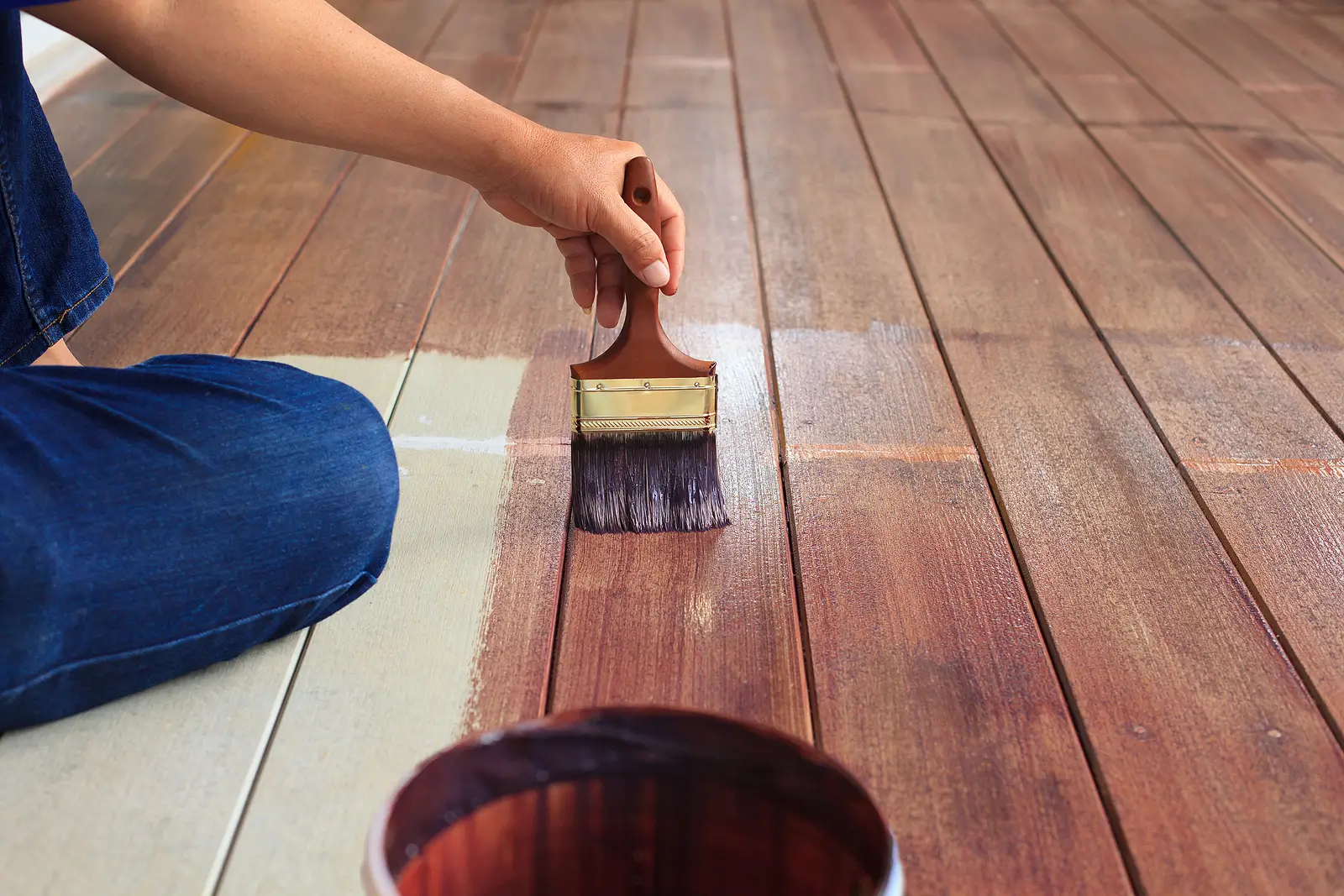
Durable options like luxury vinyl plank or quality tile qualify as interior upgrades that attract tenants because they look modern, clean easily, and withstand long-term use.
Lighting Design That Elevates the Entire Space
Lighting changes how tenants experience your property. Dark units feel smaller and less inviting, while well-lit spaces feel open and welcoming.
Combining natural light, warm fixtures, and simple layered lighting supports tenant-friendly interior design and improves both photos and in-person viewings.
Kitchen Features Tenants Prioritize
The kitchen often determines whether a tenant applies or walks away. Function matters more than luxury.
You increase appeal by focusing on design features that attract quality tenants, such as practical layouts, sufficient storage, modern hardware, and durable countertops.
Bathroom Design That Builds Tenant Confidence
Bathrooms communicate cleanliness and care. Outdated fixtures or poor lighting can undermine an otherwise strong property.
Updated finishes, efficient layouts, and good lighting align directly with what tenants want in a rental interior: comfort, hygiene, and ease of use.
Layout and Flow for Everyday Living
Tenants value spaces that feel intuitive. Awkward layouts create frustration and reduce livability.
Clear walkways, defined living zones, and logical room transitions enhance tenant-friendly interior design and improve long-term tenant satisfaction.
Storage Solutions That Add Daily Value
Storage is one of the most overlooked factors in tenant decisions. Insufficient storage quickly becomes a daily inconvenience.
Built-in cabinets, closets, and shelving are rental design ideas landlords should use because they increase functionality without increasing square footage.
Materials That Balance Style and Durability
Every surface in your rental must look good and hold up over time. Cheap materials often lead to higher repair costs and faster deterioration.
Choosing durable finishes supports the best interior design for rental properties by protecting your investment while maintaining a polished appearance.
Decorating a Rental Without Overpersonalizing
Décor should enhance the space, not define it. Tenants want flexibility, not someone else’s personality.
When decorating a rental to attract tenants, keep furnishings and accents minimal, cohesive, and easy to update between leases.
Interior Design Tips Landlords Should Know Before Renovating
Not every renovation delivers strong returns. You benefit most when upgrades align with tenant expectations and local market demand.
Interior design tips landlords should know include prioritizing visible improvements, avoiding trend overload, and focusing on elements tenants use every day.
Strategic Upgrades That Attract High-Quality Tenants
Some upgrades consistently perform better than others:
Updated lighting fixtures
Modern cabinet hardware and fittings
Neutral paint refreshes
Durable, stylish flooring
These interior design ideas to attract tenants improve perception without unnecessary spending.
Common Design Mistakes That Turn Tenants Away
Overly bold colors, mismatched finishes, and low-quality materials create doubt in tenants' minds.
Avoiding these mistakes is as important as knowing how to attract high-quality tenants with interior design, especially in competitive rental markets.
FAQ: Interior Design and Tenant Attraction
Q1. What interior design element matters most to quality tenants?
Consistency. A cohesive design signals professionalism and care, which high-quality tenants value.
Q2. Does modern design always attract better tenants?
Modern interior design for rental homes helps, but functionality and durability matter just as much.
Q3. How often should rental interiors be updated?
Minor updates every few years keep your property competitive without major renovations.
Design That Pays You Back, Lease After Lease
Great interior design is not about trends. It is about trust, comfort, and value. When you invest in innovative interior design for rental properties, you do more than improve aesthetics; you attract tenants who stay longer, respect your space, and strengthen your returns.
If you want your property to stand out in listings, lease faster, and appeal to high-quality tenants, now is the time to work with Bridgestream Property Management
We understand both design and real estate performance because the right interior design does not just fill vacancies, it builds income stability, lease after lease.
Avail of our marketing and other services!
Other Resources:
The Future of Community-Based Property Management
DIY vs. Professional Repairs: When to Call Experts as a Landlord